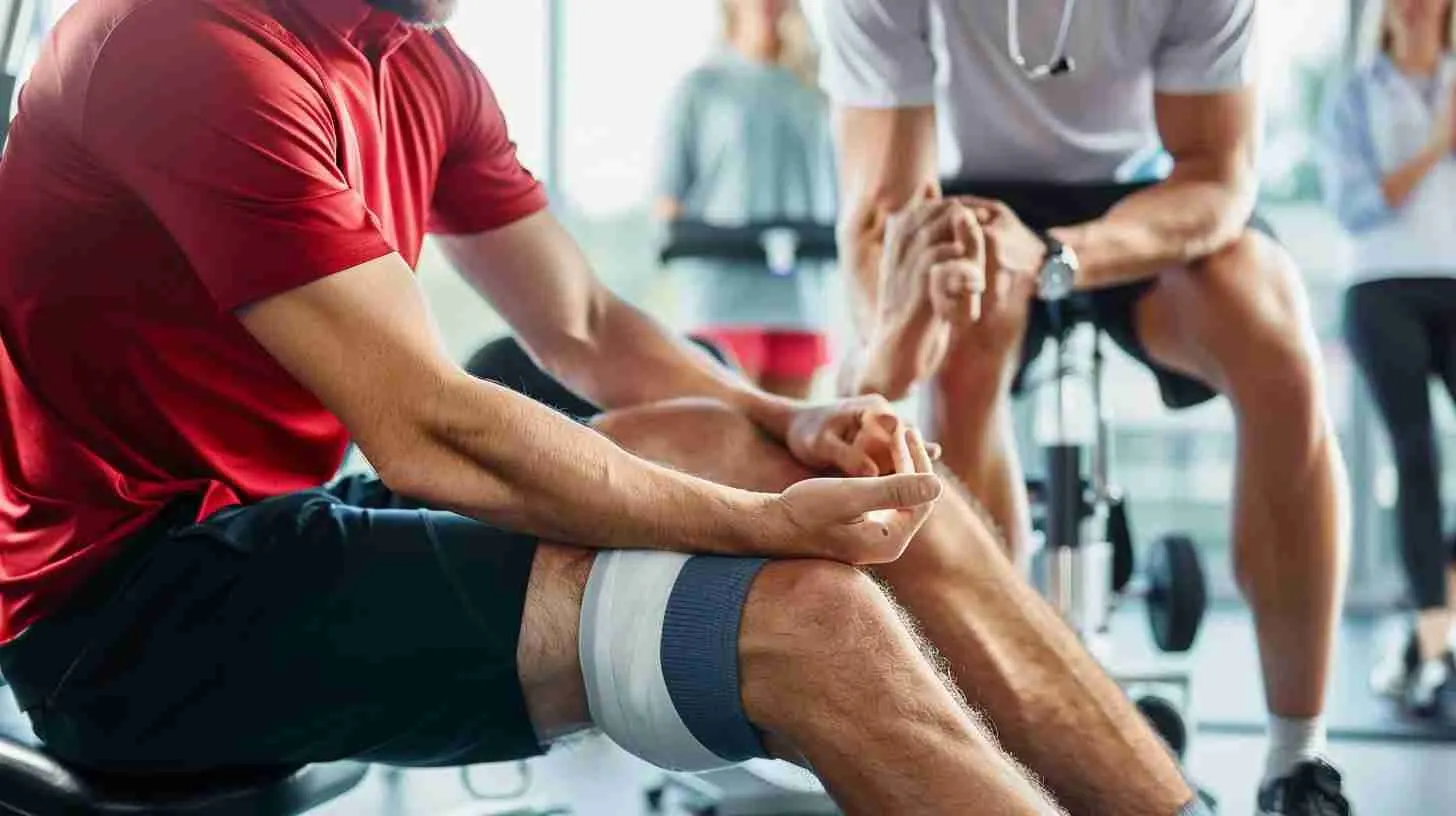
Fitness is often seen as a personal journey, but the truth is that community and accountability can make all the difference. While determination and discipline matter, the environment in which people train significantly influences their consistency and results. Incorporating a social element into a gym fitness program not only keeps participants motivated but also builds stronger support systems that make long-term success possible.
Why Community Matters in Fitness
Exercising alone can feel isolating, and motivation often fades over time. A sense of belonging creates a powerful incentive to keep showing up. Humans are naturally social creatures, and working out in a group taps into that instinct. People push harder, show up more regularly, and enjoy the process when surrounded by others with similar goals.
Key benefits of training with others
- Accountability: Friends or group members help you stay on track.
- Motivation: Energy levels rise when you see others working hard.
- Support: Guidance and encouragement during tough sessions.
- Enjoyment: Social interaction makes workouts more engaging.
- Sustainability: Long-term habits are easier to maintain with community support.
The Role of Accountability in a Gym Fitness Program
Accountability can be a stronger motivator than personal willpower. When someone knows others are expecting them to show up, the likelihood of skipping a workout decreases dramatically.
Ways accountability is built
- Workout buddies: Friends or colleagues who train together.
- Group classes: Members sign up for sessions where attendance is noted.
- Progress tracking: Sharing goals and results with peers builds responsibility.
- Challenges: Team-based fitness challenges encourage consistency.
How Social Dynamics Influence Results
Fitness communities thrive on encouragement and healthy competition. Seeing others achieve milestones sparks determination to push further. Social dynamics also make workouts more interactive, transforming what might feel like a chore into an enjoyable routine.
Examples of social influences
- A beginner pushing through extra reps because peers are cheering them on.
- Someone signing up for a new class because friends recommend it.
- Members staying consistent to avoid letting down their training partner.
Group Training vs Individual Training
While individual training allows focus on personal goals, group training introduces accountability, energy, and fun. Many successful gym goers combine both, attending group classes for social motivation while also following customised personal routines.
Group training benefits
- Structured sessions led by trainers.
- Exposure to different workout styles.
- Camaraderie that builds strong connections.
Individual training benefits
- Flexibility in timing and exercises.
- Complete focus on specific goals.
- Easier to track personal progress in detail.
The Psychology of Belonging
Belonging to a fitness community provides emotional satisfaction beyond physical progress. When members are welcomed, recognised, and encouraged, they feel valued. This emotional connection often drives long-term loyalty to a fitness centre and a programme.
How TFX Singapore Encourages Community
At TFX Singapore, community building is a key element of their approach. Trainers foster an inclusive environment where participants motivate one another. Whether through group aerobics, team fitness events, or structured programmes, the emphasis is on creating accountability and camaraderie that goes beyond individual effort.
Real-Life Scenarios in Singapore
Singapore’s busy lifestyle often makes it easy to skip workouts. However, when fitness becomes a social activity, people prioritise it in the same way they would a dinner with friends. Many working professionals find that joining group classes helps them maintain consistency despite hectic schedules. The blend of accountability and community ensures that fitness becomes an integrated part of daily life rather than a neglected afterthought.
Practical Ways to Add Social Elements to Training
Join group classes
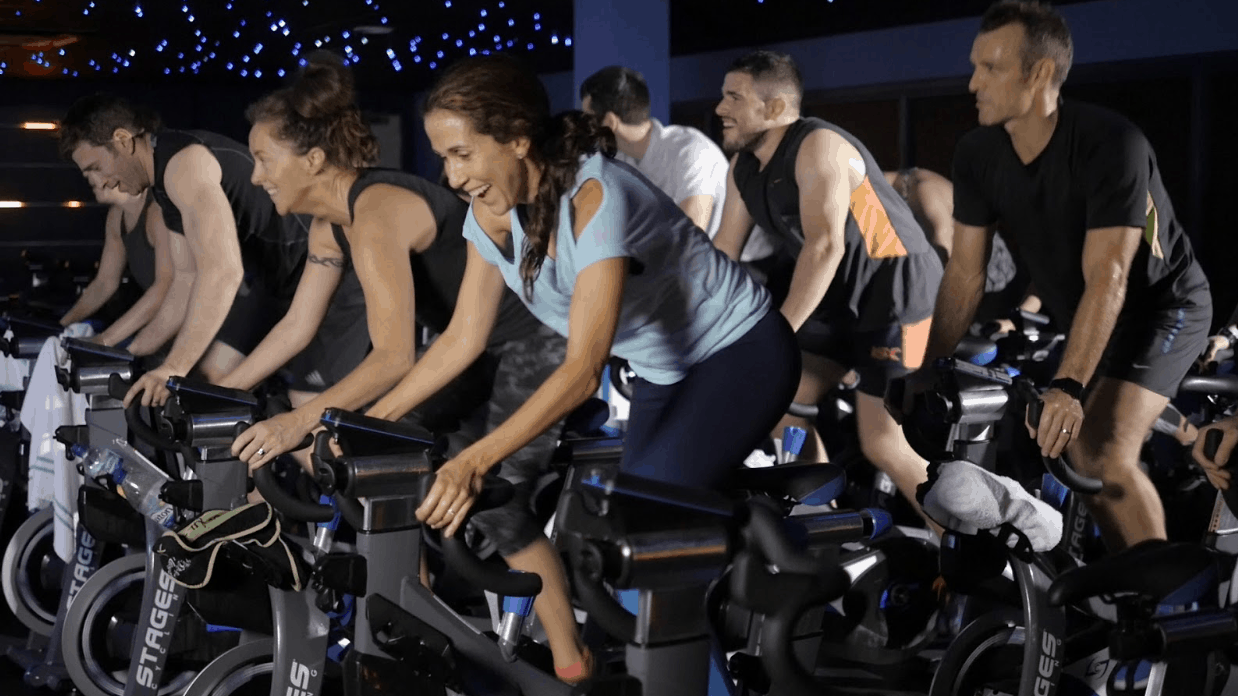
Aerobics, spin, or circuit classes introduce structure and group energy. They also provide access to like-minded people with similar goals.
Create small accountability groups
Forming WhatsApp or Telegram groups with friends helps maintain check-ins, updates, and encouragement.
Participate in challenges
Seasonal fitness challenges, such as step counts or monthly mileage goals, create fun competition.
Attend gym events
Workshops, wellness talks, or community sessions enhance interaction beyond regular training.
Share progress
Posting updates on social platforms or within gym communities creates both motivation and accountability.
Building Long-Term Fitness Habits Through Social Support
Habits stick when they are enjoyable and reinforced. Social engagement provides reinforcement, whether through praise, recognition, or shared milestones. For instance, celebrating a friend’s first 5 km run may inspire another to pursue the same milestone. Over time, these connections lead to sustainable fitness routines.
FAQs on the Social Side of Fitness
Q1. Can introverts still benefit from group training?
Yes, group training does not mean constant interaction. Many introverts enjoy the structured environment and silent motivation of being around others without pressure to engage deeply.
Q2. Do social elements matter for experienced gym goers?
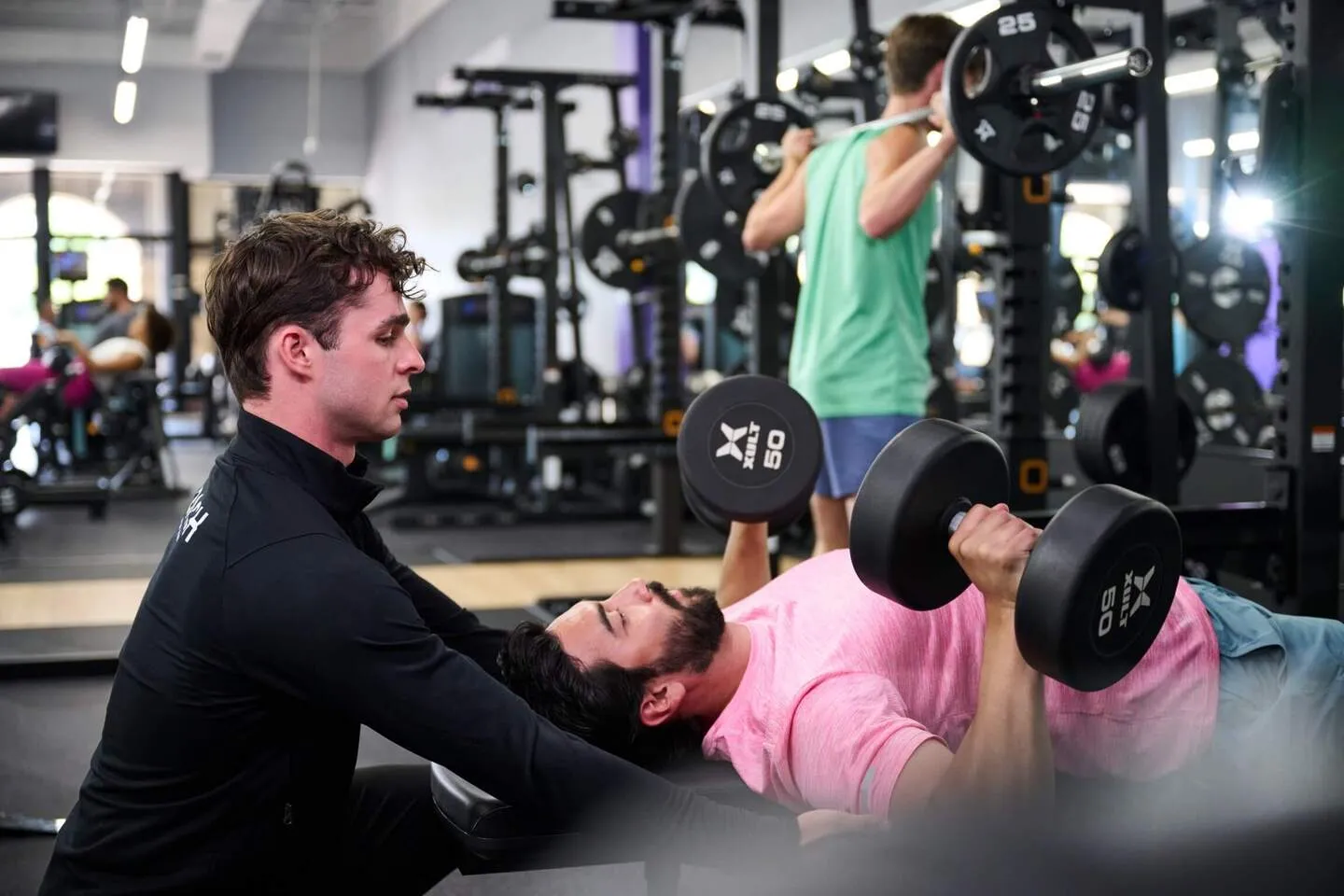
Absolutely. Even advanced lifters or athletes benefit from encouragement, spotting, and friendly competition that enhance performance.
Q3. How can I build accountability if my friends are not interested in fitness?
Consider joining group classes, online fitness communities, or hiring a trainer. Accountability does not have to come only from friends.
Q4. Is competition always healthy in a gym fitness program?
When managed well, competition motivates progress. However, it should never lead to unsafe practices. Focus on personal improvement rather than comparing excessively with others.
Q5. What if I prefer training alone?
Training alone is effective, but you can still add accountability by tracking your progress, joining challenges virtually, or working occasionally with a coach.
Q6. How does community support help prevent injury?
Peers and trainers often provide feedback on form and technique, reducing the risk of performing exercises incorrectly.
Q7. Do accountability systems work long-term?
Yes, as long as they are flexible and enjoyable. Strict or punitive systems often fail, but supportive environments create sustainable habits.