Lack of time is one of the most common reasons people skip workouts. The good news is that effective exercise doesn’t require long hours at the gym. When designed correctly, short routines can deliver impressive improvements in strength, endurance, fat loss, and overall fitness.
This article explains how brief workouts work, what makes them effective, and how to structure them for maximum results.
Why Short Workouts Are Surprisingly Effective
Short exercise routines focus on efficiency over duration. Instead of spreading effort across long sessions, they concentrate on movements and intensities that create the strongest physiological response in less time.
Key benefits include:
- Better consistency and adherence
- Higher workout intensity
- Reduced risk of burnout
- Easier recovery and scheduling
When done correctly, short workouts can outperform longer, unfocused sessions.
The Science Behind Time-Efficient Training
Short routines work because they leverage intensity, compound movements, and minimal rest. These factors increase heart rate, recruit more muscle fibers, and elevate calorie burn even after the workout ends.
Important mechanisms include:
- Elevated metabolic demand
- Increased muscle activation
- Improved cardiovascular conditioning
- Enhanced hormonal response
Core Principles for Maximum Results
1. Prioritize Compound Movements
Compound exercises work multiple muscle groups at once, delivering more results per repetition.
Examples include:
- Squats
- Push-ups
- Lunges
- Rows
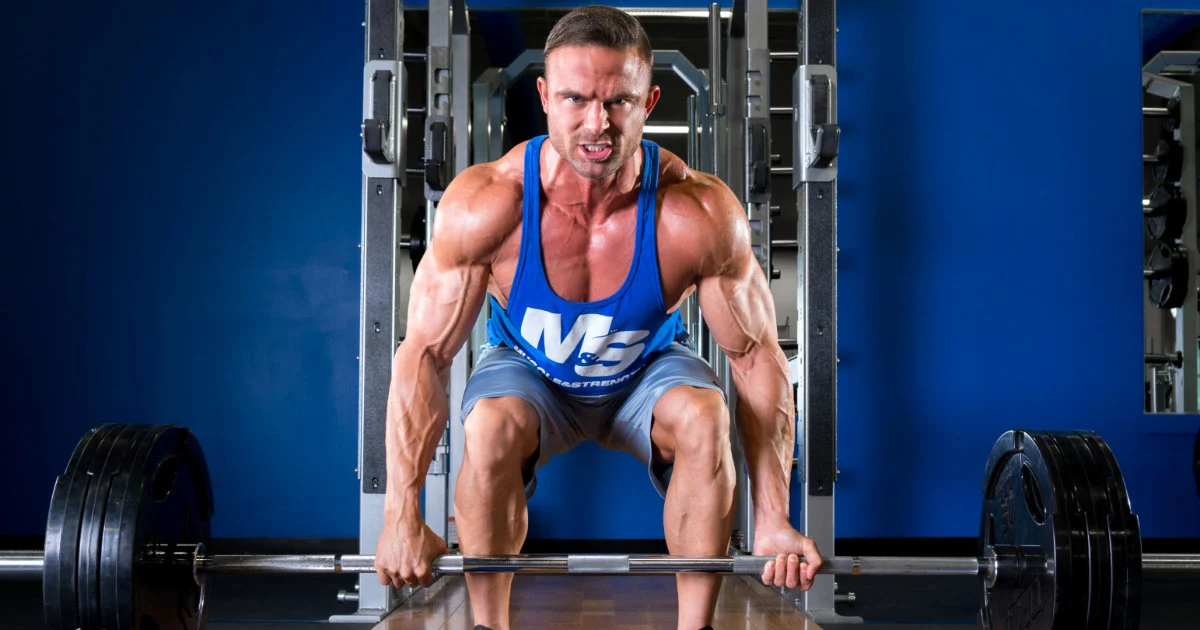
- Deadlift variations
These movements provide strength, coordination, and calorie-burning benefits in one package.
2. Use High-Intensity Intervals
High-intensity interval training (HIIT) alternates short bursts of effort with brief recovery periods.
Why it works
- Saves time
- Improves cardiovascular fitness
- Burns more calories in less time
- Maintains muscle mass
Intervals can be adjusted to suit beginners or advanced exercisers.
3. Minimize Rest Without Sacrificing Form
Short routines rely on controlled rest, not rushed technique.
Best practices:
- Keep rest between 15–45 seconds
- Focus on quality movement
- Stop if form breaks down
Efficiency comes from smart pacing, not recklessness.
Sample Short Workout Structures
10-Minute Full-Body Circuit
Perform each exercise for 40 seconds, rest 20 seconds, and repeat for two rounds.
- Squats
- Push-ups
- Plank hold
- Reverse lunges
- Mountain climbers
15-Minute Strength-Focused Routine
Perform 3–4 sets of each movement.
- Goblet squats
- Dumbbell rows
- Overhead presses
- Romanian deadlifts
This structure builds strength while keeping sessions short.
Bodyweight-Only Option
Perfect for travel or home workouts:
- Jump squats
- Push-ups
- Glute bridges
- Bicycle crunches
- High knees
No equipment, no excuses.
How Often Should You Do Short Workouts?
Consistency matters more than duration. Short routines work best when performed 3–6 times per week, depending on intensity and recovery.
Balance is key:
- High intensity → fewer sessions
- Moderate intensity → more frequent sessions
- Always allow recovery for sore or fatigued muscles
Common Mistakes That Limit Results
Avoid these errors to get the most out of short workouts:
- Skipping warm-ups entirely
- Doing too many exercises in one session
- Ignoring recovery and sleep
- Training at low intensity “just to finish”
Short workouts demand focus and intent.
Who Benefits Most from Short Exercise Routines?
These routines are ideal for:
- Busy professionals
- Beginners building consistency
- Parents with limited time
- Travelers
- Anyone returning after a break
They’re scalable, adaptable, and sustainable.
The Takeaway
Short exercise routines can produce powerful results when built around intensity, compound movements, and consistency. You don’t need more time—you need a smarter approach. When effort is focused and purposeful, even 10–20 minutes can transform your fitness.
Frequently Asked Questions (FAQs)
1. Can short workouts really build muscle?
Yes. When intensity and progressive overload are applied, short workouts can effectively stimulate muscle growth.
2. Are short workouts better than long workouts?
Not always. They’re better for consistency and time efficiency, but longer workouts may be useful for advanced or specialized training goals.
3. Do I need equipment for short routines?
No. Bodyweight exercises alone can provide excellent results, especially for beginners and intermediate exercisers.
4. How long should a warm-up be for a short workout?
A focused warm-up of 3–5 minutes is usually sufficient to prepare joints and muscles.
5. Can short workouts help with weight loss?
Yes. When combined with proper nutrition, they support fat loss by increasing calorie burn and metabolic activity.
6. Should beginners start with short workouts?
Absolutely. Short routines are less intimidating and easier to maintain, making them ideal for building habits.
7. Can I do short workouts every day?
Yes, if intensity varies and recovery is managed properly. Alternating hard and light sessions works best.
If you want, I can also create custom short workout plans, home-only routines, or goal-specific programs tailored to your audience.