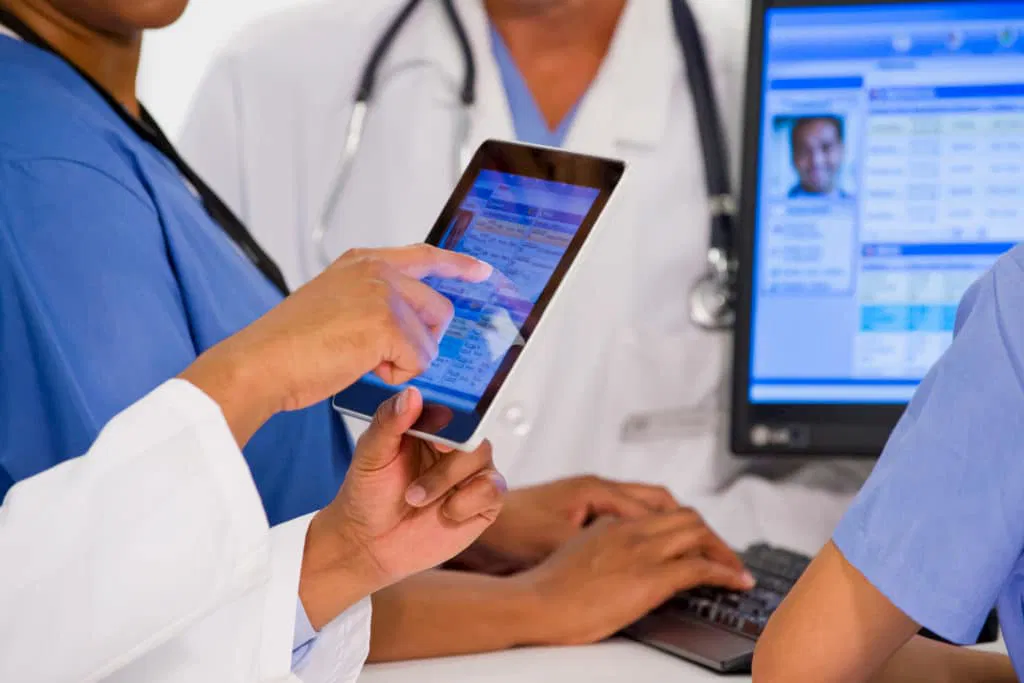
Healthcare is undergoing one of the most transformative periods in its history. Advances in technology, data science, and patient-centered care are redefining how diseases are prevented, diagnosed, and treated. These treatment trends are not just improving outcomes—they are reshaping the entire healthcare experience for patients and providers alike.
The Shift Toward Patient-Centered Care
Modern healthcare increasingly prioritizes the individual rather than the illness alone. Treatment plans now account for lifestyle, preferences, and long-term well-being.
Key elements of patient-centered care include:
- Shared decision-making between patients and clinicians
- Emphasis on quality of life alongside clinical outcomes
- Care models designed around patient convenience and accessibility
This shift is fostering stronger trust, higher treatment adherence, and better overall health results.
Digital Health and Virtual Treatment Models
Digital health tools have moved from optional add-ons to essential components of care delivery. Virtual platforms are expanding access and reducing strain on traditional facilities.
Major developments driving this trend:
- Telemedicine for routine consultations and follow-ups
- Remote patient monitoring using connected devices
- Digital therapy platforms for mental and behavioral health
These approaches improve continuity of care, especially for patients in rural or underserved areas.
Personalized and Precision Medicine
Treatments are becoming more targeted, moving away from one-size-fits-all approaches. Precision medicine uses genetic, environmental, and lifestyle data to tailor therapies.
Benefits of personalized treatment include:
- Higher effectiveness with fewer side effects
- Earlier disease detection and prevention
- Customized drug therapies and dosing
This trend is particularly impactful in oncology, cardiology, and rare disease management.
Artificial Intelligence in Diagnosis and Treatment Planning
Artificial intelligence is enhancing clinical decision-making by analyzing vast amounts of medical data faster than humans can.
AI-powered applications are enabling:
- Early detection of diseases through imaging and pattern recognition
- Predictive analytics for treatment outcomes
- Automated clinical documentation and workflow optimization
Rather than replacing clinicians, AI acts as a powerful support tool that improves accuracy and efficiency.
Value-Based Care and Outcome-Focused Treatments
Healthcare systems are increasingly rewarding results instead of volume. Value-based care models focus on patient outcomes, cost efficiency, and long-term health improvements.
This approach emphasizes:
- Preventive care and early intervention
- Reduced hospital readmissions
- Coordinated care across multiple providers
By aligning incentives with patient health, value-based care promotes sustainable and effective treatment strategies.
Wearable Technology and Continuous Monitoring
Wearable devices are transforming treatment from episodic care to continuous health management. These tools provide real-time insights into patient health.
Common uses of wearables include:
- Monitoring heart rate, sleep, and activity levels
- Managing chronic conditions such as diabetes or hypertension
- Early detection of potential health issues
Continuous data empowers both patients and clinicians to make timely, informed decisions.
Integrative and Holistic Treatment Approaches
Modern healthcare is increasingly open to integrating conventional medicine with evidence-based complementary therapies.
Popular integrative approaches involve:
- Mindfulness and stress-reduction techniques
- Nutrition-focused treatment plans
- Physical therapy combined with medical care
This holistic perspective addresses both physical and mental health, supporting long-term recovery and wellness.
The Future Outlook of Healthcare Treatments
As these trends continue to evolve, healthcare will become more proactive, personalized, and technology-driven. The focus will shift further toward prevention, early intervention, and empowering patients to take an active role in their health journey.
Frequently Asked Questions
1. How are treatment trends improving patient outcomes?
They enable earlier diagnosis, personalized therapies, and continuous monitoring, which collectively lead to better health results and fewer complications.
2. Is telemedicine suitable for all types of medical care?
While ideal for routine care and follow-ups, some conditions still require in-person examinations or procedures.
3. What role does data play in modern treatment methods?
Data supports personalized medicine, predictive analytics, and real-time monitoring, helping clinicians make more accurate decisions.
4. Are AI-driven treatments safe and reliable?
When properly validated and supervised by healthcare professionals, AI tools enhance safety and diagnostic accuracy.
5. How does value-based care affect patients financially?
It often reduces unnecessary procedures and hospital visits, leading to lower overall healthcare costs for patients.
6. Can wearable devices replace traditional medical visits?
They complement—not replace—clinical care by providing continuous insights that support medical decision-making.
7. What should patients do to adapt to these new treatment trends?
Staying informed, engaging in shared decision-making, and using digital health tools responsibly can help patients benefit fully from modern healthcare innovations.