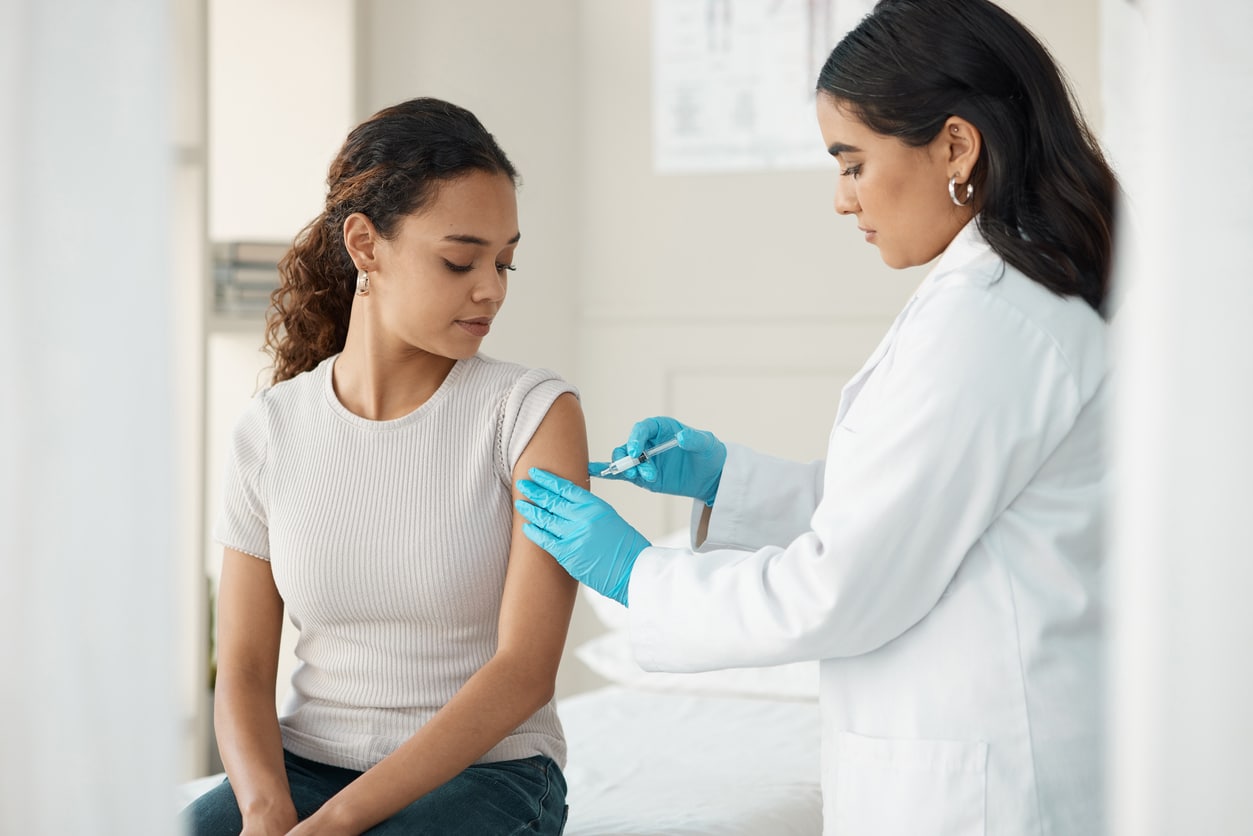
Preventive treatment is one of the most effective yet underutilized approaches in modern healthcare. Instead of reacting to illness after it disrupts daily life, preventive care focuses on stopping health problems before they start—or catching them early when they are easier and less expensive to manage. This proactive mindset saves both time and money while improving long-term health outcomes.
Understanding Preventive Treatment
Preventive treatment includes medical services and lifestyle strategies designed to reduce the risk of disease or detect conditions early.
Common forms of preventive care include:
- Routine health checkups and screenings
- Vaccinations and immunizations
- Lifestyle counseling for diet, exercise, and stress management
- Early diagnostic tests for chronic conditions
These measures aim to maintain health rather than simply treat illness.
Early Detection Reduces Treatment Costs
Catching health issues in their early stages often prevents costly and complex interventions later.
Why early detection matters:
- Minor conditions are cheaper to treat than advanced diseases
- Early-stage treatments are usually less invasive
- Shorter recovery times reduce medical and personal expenses
For example, managing high blood pressure early is far less expensive than treating heart disease or stroke.
Fewer Medical Emergencies and Hospital Visits
Preventive care lowers the likelihood of sudden medical crises that require emergency treatment.
This leads to:
- Reduced emergency room visits
- Fewer hospital admissions
- Lower out-of-pocket expenses
Avoiding emergencies also means less disruption to work, family responsibilities, and daily routines.
Saving Time Through Proactive Health Management
Preventive treatment minimizes the time spent dealing with illness by keeping people healthier overall.
Time-saving benefits include:
- Fewer sick days and medical appointments
- Reduced recovery periods
- Less time spent managing chronic complications
Healthy individuals can focus more on productivity and personal goals instead of repeated medical visits.
Preventing Chronic Diseases Before They Escalate
Chronic conditions such as diabetes, heart disease, and respiratory disorders are among the most expensive to manage long-term.
Preventive strategies help by:
- Identifying risk factors early
- Encouraging sustainable lifestyle changes
- Slowing or stopping disease progression
By preventing or delaying chronic illness, individuals avoid years of ongoing treatment costs.
Lower Healthcare Costs for Individuals and Systems
Preventive care benefits not only patients but also healthcare systems as a whole.
Cost-saving impacts include:
- Reduced demand for expensive procedures
- Lower insurance premiums over time
- More efficient use of healthcare resources
When prevention becomes standard practice, overall healthcare spending decreases without compromising quality.
Improved Quality of Life and Long-Term Financial Stability
Good health supports financial stability. Preventive treatment helps individuals avoid medical debt and income loss caused by prolonged illness.
Long-term advantages include:
- Consistent work attendance
- Lower long-term medical bills
- Better physical and mental well-being
Healthy people spend less on healthcare and more on living their lives fully.
Why Prevention Is a Smarter Investment
Preventive treatment shifts healthcare from reactive to proactive. While it may require small, regular investments of time and money, the returns are substantial. Fewer illnesses, lower costs, and more time for meaningful activities make prevention one of the smartest health decisions anyone can make.
Frequently Asked Questions
1. What is the difference between preventive and reactive treatment?
Preventive treatment focuses on avoiding disease or detecting it early, while reactive treatment addresses illness after symptoms appear.
2. How often should preventive screenings be done?
The frequency depends on age, risk factors, and medical history, but regular annual checkups are commonly recommended.
3. Does preventive care really reduce long-term healthcare expenses?
Yes, preventing or managing conditions early significantly lowers the need for costly treatments later.
4. Are preventive treatments only for older adults?
No, preventive care is important at every age, from childhood vaccinations to adult lifestyle counseling.
5. Can preventive care help with mental health?
Yes, early mental health screenings and stress management can prevent more serious psychological conditions.
6. Is preventive treatment covered by most health insurance plans?
Many insurance plans cover essential preventive services, often at little or no cost to the patient.
7. How can individuals start focusing on preventive health?
Scheduling routine checkups, adopting healthy habits, and following medical advice are practical first steps toward prevention.