

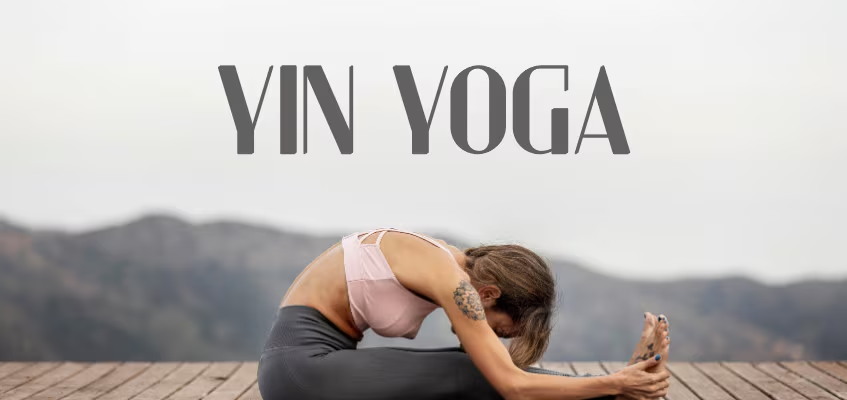
Singapore does not have a stress problem. It has a chronic stress normalisation problem.
The sustained pressure of Singapore’s professional culture, the long hours, the always-on digital connectivity, the social comparison that the city’s high-achievement environment generates, has been present for so long for so many residents that it no longer registers as abnormal. The elevated cortisol, the compressed sleep cycles, the persistent low-grade anxiety, and the sympathetic nervous system that rarely fully powers down have become the background physiological state that Singapore’s working population mistakes for simply how life feels.
yin yoga is not a miracle intervention. But the clinical evidence for its specific effects on the autonomic nervous system makes it one of the most targeted non-pharmacological tools available for the particular physiological profile that Singapore’s chronic stress load creates.
The Autonomic Architecture of Chronic Stress
The autonomic nervous system maintains the body’s involuntary physiological functions through the competing activity of its two branches.
The sympathetic branch, the fight-or-flight system, accelerates heart rate, elevates blood pressure, redirects blood flow to muscles, suppresses digestion and immune function, and maintains a state of readiness for action. It is designed for acute, time-limited activation in response to genuine threats.
The parasympathetic branch, mediated primarily through the vagus nerve, does the opposite: slows heart rate, lowers blood pressure, promotes digestive function, supports immune activity and creates the physiological conditions for cellular repair, memory consolidation and emotional processing.
In a well-functioning autonomic system, these branches alternate in balance: sympathetic activation during genuine demands, parasympathetic dominance during recovery, sleep and the quiet periods of daily life.
Chronic stress disrupts this balance persistently. The sympathetic branch is maintained in partial activation even during ostensible rest periods. Parasympathetic recovery is incomplete. The physiological consequences accumulate: elevated inflammatory markers, impaired immune function, progressive sleep architecture deterioration, and the cardiovascular and metabolic risks that sustained cortisol elevation drives.
Why Yin Specifically Targets This Imbalance
Most yoga formats address the sympathetic-parasympathetic imbalance to some degree. What distinguishes yin yoga’s autonomic effect is the specific depth and duration of parasympathetic activation that its sustained stillness produces.
Active yoga formats, including vinyasa and hatha, cycle between physical effort that maintains mild sympathetic activation and recovery postures that shift toward parasympathetic dominance. The parasympathetic periods are real but brief, and the alternation between effort and rest maintains a moderate level of autonomic variability throughout the session.
Yin yoga operates differently. After the initial settling into a posture, the absence of muscular effort and the sustained physical stillness create conditions for a progressive and deep parasympathetic shift that active formats cannot maintain. The body’s interpretation of sustained, supported stillness is safety: the nervous system receives continuous signals that no muscular effort is required, no threat is present and no action is needed. This sustained safety signal progressively suppresses sympathetic output and deepens the parasympathetic state throughout each hold and across the session.
The specific physiological markers of this deep parasympathetic shift are measurable:
Heart rate decreases progressively through a yin session, reaching its lowest point during the longest and deepest holds rather than returning to pre-session levels as it would after the effort of an active practice.
Heart rate variability increases to levels that are among the highest achievable in any yoga format, reflecting the deep vagal tone that sustained stillness with slow, deliberate breathing produces.
Skin conductance, a measure of sympathetic sweat gland activation that decreases as parasympathetic dominance increases, declines consistently through yin sessions in a trajectory that mirrors the progressive deepening of the parasympathetic state.
Salivary cortisol measured post-session in yin practitioners shows greater reductions than in matched hatha or vinyasa practitioners, consistent with the deeper and more sustained HPA axis suppression that yin’s prolonged parasympathetic activation produces.
The Fascia-Nervous System Connection
There is a dimension of yin yoga’s parasympathetic effect that operates through a mechanism distinct from the breathwork and stillness pathways described above.
The fascia, the connective tissue that yin’s sustained holds specifically target, contains a dense population of interstitial receptors: type III and type IV nerve endings that project to the insular cortex and contribute to interoceptive awareness and autonomic regulation. When fascial tissue is deformed slowly and sustained for the durations that yin holds involve, these interstitial receptors are stimulated in a way that projects to the insular cortex and contributes to parasympathetic activation through a pathway that operates independently of the voluntary breathwork and cognitive relaxation dimensions of the practice.
This mechanosensory pathway is why yin yoga’s parasympathetic effect is deeper than meditation or breathwork practice alone, which engage the voluntary cognitive and respiratory pathways without the fascial mechanosensory input. The combination of all three pathways, voluntary breath regulation, cognitive relaxation and fascial mechanosensory activation, produces a parasympathetic depth that is specific to yin yoga and that has not been replicated by any other wellness intervention studied to date.
The Long-Term Autonomic Adaptation That Consistency Produces
A single yin session produces a meaningful acute parasympathetic shift. Consistent yin practice over months produces something more significant: a persistent upward shift in baseline parasympathetic tone that changes the nervous system’s default state rather than simply modulating it temporarily.
Long-term yin practitioners in Singapore show resting HRV values significantly above those of matched non-practitioners. They report greater emotional regulation capacity, better sleep quality and more rapid physiological recovery from stressful events than their pre-practice baselines. And they show more favourable profiles of inflammatory biomarkers, including lower C-reactive protein and interleukin-6, that reflect the anti-inflammatory effect of sustained parasympathetic dominance.
These are not subjective impressions. They are measurable physiological changes that reflect genuine autonomic adaptation, and they represent the most compelling evidence for what consistent yin practice does to the physiological foundation of chronic stress management in Singapore’s overworked population.
Yoga Edition brings this clinical understanding to its yin programming, designing sessions that maximise the autonomic depth of each practice and building a consistent programme structure that supports the long-term adaptation rather than simply delivering pleasant individual sessions.