Good fitness is not only about lifting more weight or burning more calories. It is also about moving well. Poor movement patterns can create discomfort, limit progress and increase the risk of injury. A personal trainer singapore approach can help improve mobility, strengthen weak areas and teach safer exercise technique.
Personal training is valuable because it looks at the person, not only the workout. A trainer can observe how the body moves, identify limitations and build a plan that supports better movement quality over time.
Why Injury Prevention Starts With Movement Awareness
Many people do not notice poor form until pain appears. They may squat with unstable knees, lift with a rounded back, overuse the shoulders or rush through repetitions.
A trainer can identify these habits early. They can correct movement before it becomes a bigger issue.
Injury prevention is not about avoiding challenge. It is about applying challenge with control, technique and proper progression.
Mobility Helps the Body Train Better
Mobility is the ability to move joints through useful range with control. It affects squats, lunges, presses, rows, deadlifts and even simple daily movement.
Limited mobility can force the body to compensate. For example, tight hips may affect squats. Stiff shoulders may affect pressing exercises. Poor ankle mobility may change lower-body mechanics.
A trainer can add mobility work where needed so exercises feel smoother and safer.
Stability Is Just as Important
Mobility without stability can still create problems. The body must not only move through range, but also control that range.
Personal training often includes stability work for the core, hips, shoulders and ankles. This helps members move with better control.
Stability training may include single-leg exercises, controlled tempo work, core drills and posture-focused movements.
Technique Correction Builds Safer Strength
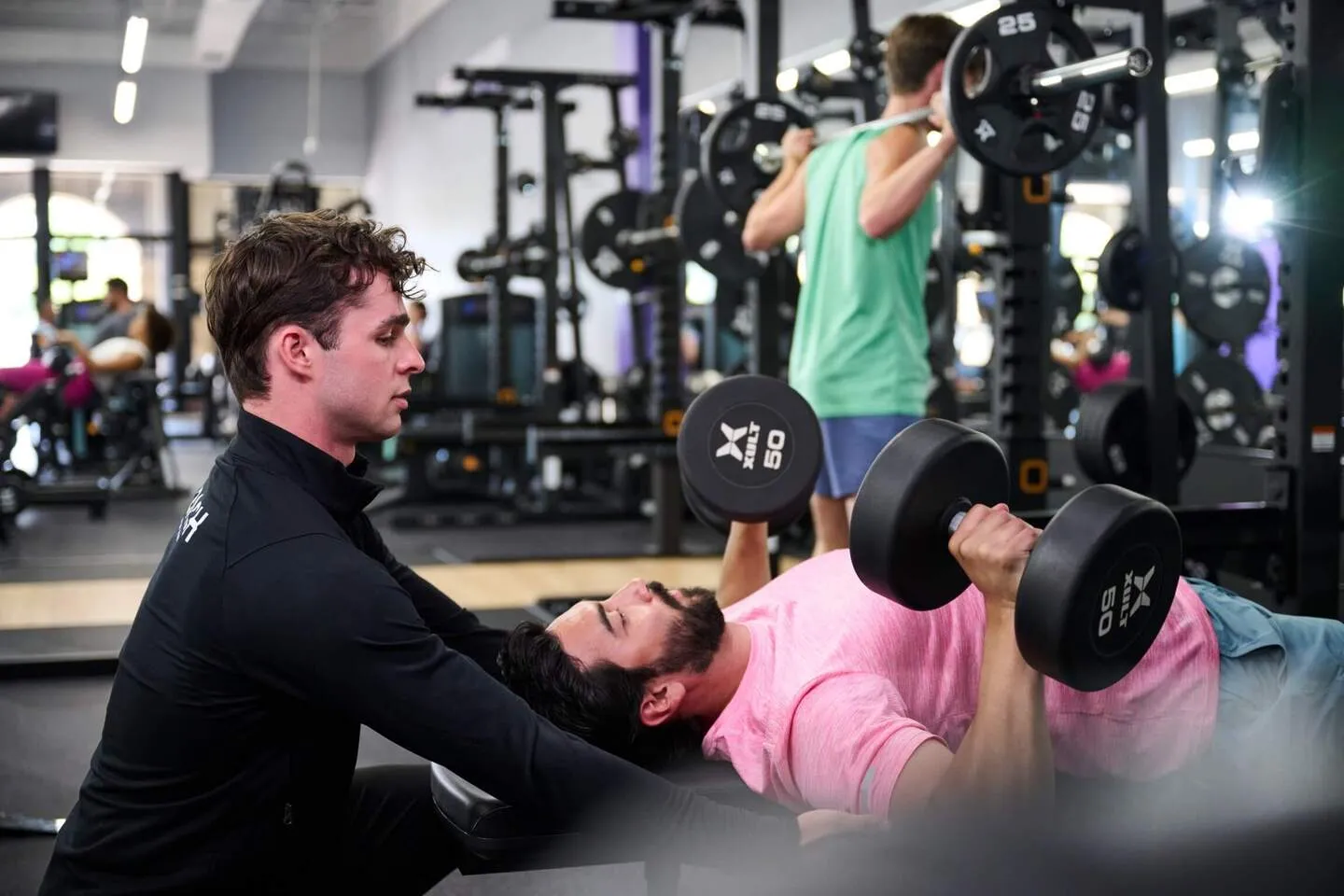
Strength training can be highly beneficial, but technique matters. A trainer helps members learn proper setup, breathing, alignment and movement control.
This is especially important for compound exercises such as squats, deadlifts, presses and rows.
Better technique allows the right muscles to work. It also reduces unnecessary pressure on joints and connective tissues.
Progression Reduces Training Mistakes
Many injuries happen when people progress too quickly. They increase weight, intensity or frequency before the body is ready.
A trainer manages progression. They may increase load gradually, add repetitions, improve range or introduce more advanced exercises only when the member shows control.
This prevents the common mistake of chasing fast results at the cost of movement quality.
Desk Workers Need Extra Movement Support
Many adults sit for long hours. This can contribute to tight hips, rounded shoulders and weak glutes or core muscles.
Personal training can address these issues through strength and mobility work. Back exercises, hip mobility, glute activation and core control can all help.
For desk workers, better movement may improve both gym performance and daily comfort.
Confidence After Previous Injuries
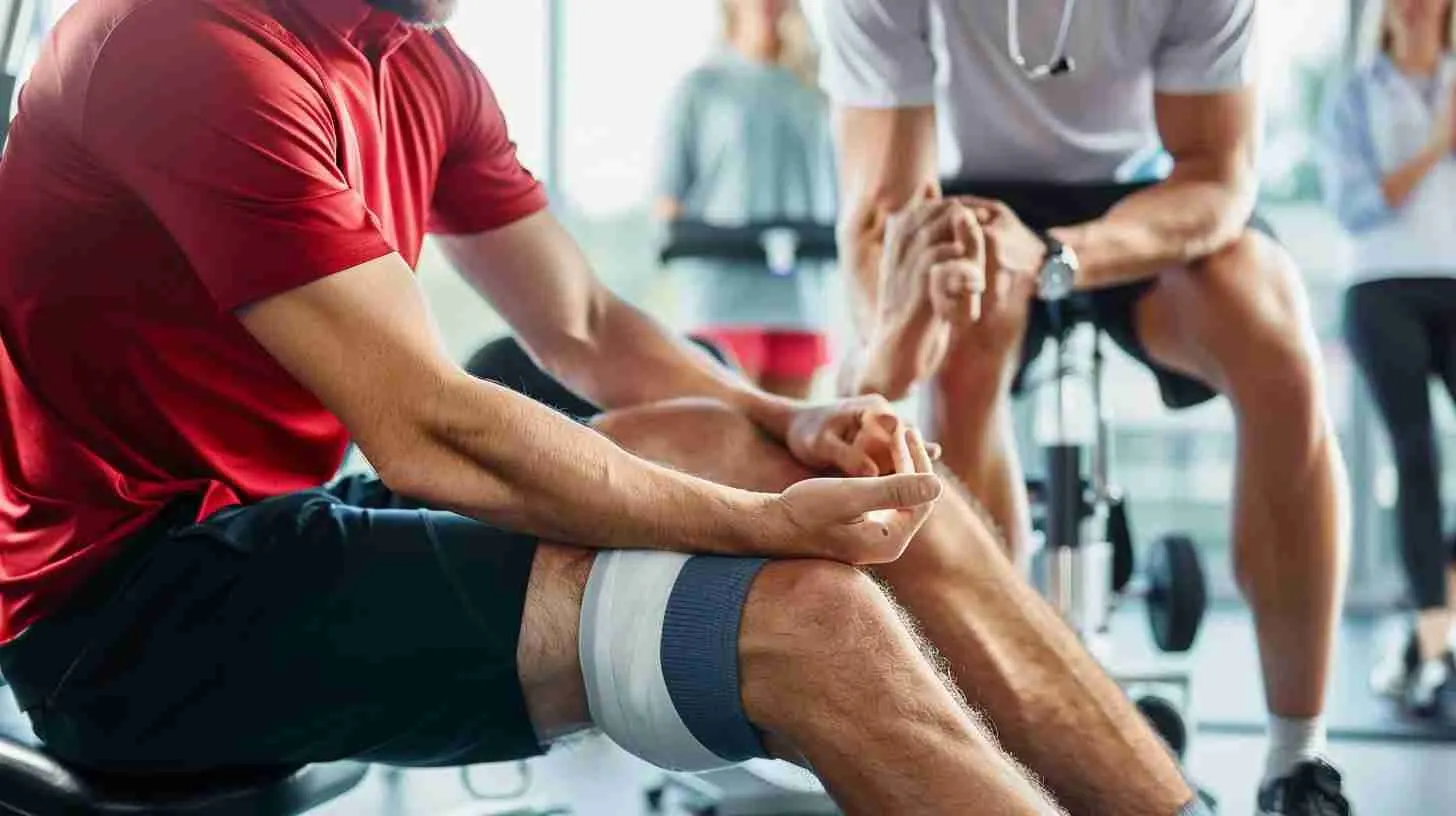
People with past injuries often feel nervous about training. A trainer can help rebuild confidence by choosing appropriate exercises and progressing carefully.
However, a trainer should not replace medical care. Anyone with serious or ongoing pain should consult a healthcare professional.
Once cleared to exercise, personal training can help bridge the gap between caution and confidence.
Real-Life FAQs
Q. Can personal training reduce injury risk?
Ans. It can reduce risk by improving form, mobility, strength balance and progression, but no exercise plan can remove all risk.
Q. Should I train if I have pain?
Ans. Sharp, persistent or unusual pain should be assessed by a healthcare professional before training.
Q. Why is mobility important in strength training?
Ans. Mobility helps you move through exercises properly, which can improve form and reduce compensation.